Blooket join game refers to the straightforward process of entering a live hosted session on the popular educational gaming platform using a unique code, QR scan, or direct link. Players access play.blooket.com, input the 7-digit game ID provided by the host, select or enter a nickname, optionally log in for account benefits like earning points and customizing Blooks, and wait in the lobby until the game begins. This seamless entry supports real-time competition across various modes, making learning interactive and engaging for students of all ages without requiring an account for basic participation.
Blooket Join Game: Step-by-Step Process and Expert Insights
The core of Blooket’s appeal lies in its effortless join mechanism, allowing participants to dive into gamified learning within seconds. When a teacher or host launches a live game, the platform instantly generates a unique 7-digit code—often displayed prominently on the host’s screen alongside a scannable QR code and a shareable join link. This code serves as the digital gateway to the specific session, ensuring only intended players connect.
To join, head directly to the dedicated entry point at play.blooket.com. This streamlined page features a prominent field labeled for the Game ID or code. Simply type in the 7-digit number exactly as provided—no spaces, no dashes—and submit. The system validates the code in real time; if active, you’ll proceed immediately. Alternative entry methods enhance accessibility: scanning the QR code with your device’s camera pulls up the join page automatically, ideal for tablets or phones in a classroom setting. For remote or virtual sessions, hosts often distribute a direct join link via email, chat, or learning management systems—clicking it bypasses manual code entry entirely.
Upon successful connection, the platform prompts for a nickname, the identifier shown on leaderboards and during gameplay. This can be anything fun or appropriate, from creative aliases to real names, depending on the host’s preferences. Many sessions enable the “Use Random Names” option, automatically assigning quirky, generated nicknames to maintain anonymity and add humor—perfect for younger players or large groups. Logging in with a Blooket account at this stage unlocks additional perks: persistent progress tracking, point accumulation across sessions, and the ability to select personalized Blooks (those collectible characters that accompany you in games). Without logging in, participation remains fully functional for guest play, emphasizing Blooket’s inclusive design—no barriers for quick classroom reviews.
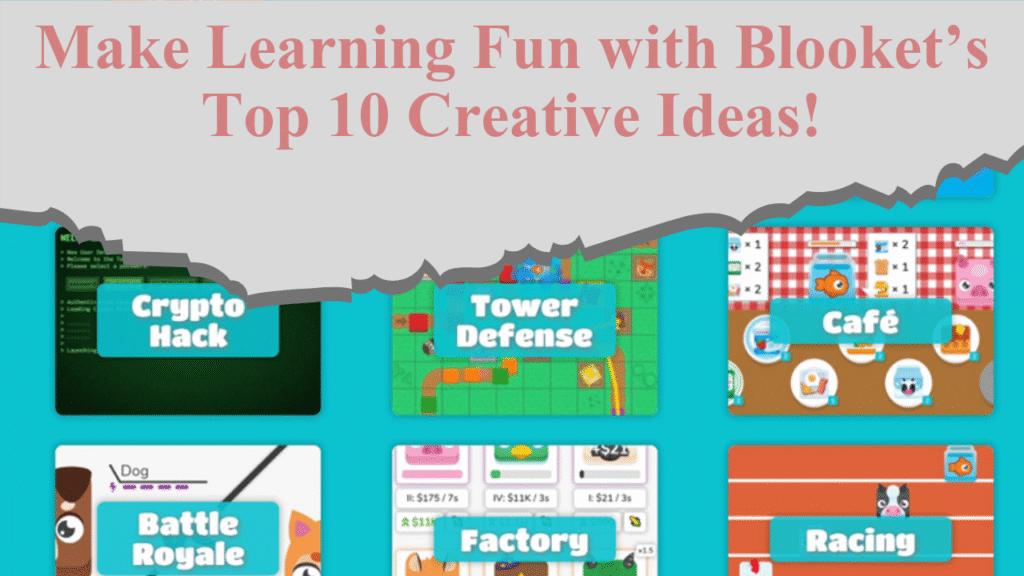
Once in the lobby, players wait as others join. The host monitors arrivals in real time, often displaying a live participant list. When ready, the host starts the game, transitioning everyone into the chosen mode. Blooket supports a wide array of modes—over 25 in total, with around 18 free and additional premium ones—each transforming the same question set into distinct experiences. Popular live-play favorites include:
Gold Quest — Race to collect the most gold by answering correctly, blending speed and accuracy.
Tower Defense — Strategically build defenses using earned tokens from right answers to fend off waves.
Battle Royale — Survival-style elimination where incorrect answers cost lives until one champion remains.
Factory — Resource management with production lines powered by knowledge.
Café — Serve virtual customers by delivering correct answers swiftly.
Other modes like Crypto Hack, Monster Brawl, and team-based variants encourage collaboration or competition. Modes vary in availability: some suit live hosting only, others work for solo practice or assigned homework. The join process remains consistent regardless of mode, focusing energy on the content rather than technical hurdles.
For optimal experience, ensure a stable internet connection—Blooket performs best on modern browsers without needing downloads or apps. Devices from desktops to mobiles work seamlessly, though larger screens help view questions clearly. Hosts customize settings before starting, such as question pacing, answer time limits, randomization, or enabling random names, which influence the lobby feel.
Common join scenarios extend beyond classrooms. Families host casual trivia nights, study groups connect remotely, or clubs run themed reviews. The platform’s flexibility supports these, with codes expiring once the host ends the session for privacy and security. Expired or mistyped codes trigger clear error messages, guiding users to double-check or request a refresh from the host.
Blooket’s join system prioritizes speed and simplicity, contributing to its widespread adoption in American schools and homes. By removing friction from entry, it keeps focus on learning through play—answering questions correctly powers progression, unlocks rewards, and fosters friendly rivalry. Whether you’re a student gearing up for a test, a teacher energizing review sessions, or a parent facilitating home practice, mastering the join process opens the door to endless educational adventures.
Disclaimer: This article provides general guidance and tips for using the Blooket platform based on its standard features and common practices.