“In today’s dynamic classrooms, hosting a Blooket game isn’t just about starting a quiz—it’s about crafting an unforgettable, high-energy experience that turns passive learners into active competitors. With the right strategies, your sessions can spread like wildfire among students, boosting participation, retention, and even test scores through pure engagement.”
Blooket has solidified its place as a go-to platform for educators seeking to gamify learning. As of 2026, the platform supports up to 60 players on the free Starter plan for live games, with expanded customization options that make hosting more flexible than ever. Recent updates have introduced streamlined settings panels, enhanced accessibility features like large text and read-aloud options, and refined win conditions to fit diverse classroom needs.
To host effectively, begin by selecting or creating a high-quality question set. The best sets feature concise questions, varied difficulty levels, and multimedia elements where relevant—images for visual subjects or short explanations for complex concepts. Avoid overly tricky or ambiguous phrasing that could frustrate players; instead, focus on clear, curriculum-aligned content that reinforces key objectives.
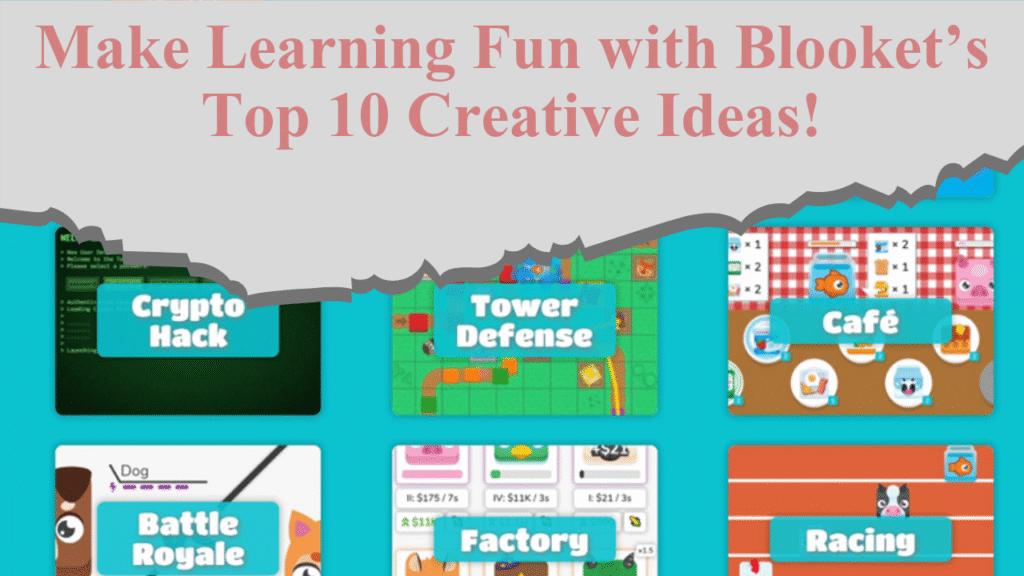
Once your set is ready, navigate to the set page and click “Host.” You’ll choose from twelve live game modes: Monster Brawl, Deceptive Dinos, Gold Quest, Crypto Hack, Fishing Frenzy, Blook Rush, Battle Royale, Tower Defense, Cafe, Factory, Racing, and Classic. (Modes like Crazy Kingdom and Tower of Doom remain solo or homework-only.)
Each mode brings unique energy to the classroom. For viral potential, prioritize modes that spark chaos, strategy, and replay value:
Gold Quest remains a classroom favorite for its gold-stealing mechanics—students love the betrayal and comebacks, making it ideal for history or vocabulary reviews where quick answers reward speed and risk-taking.
Crypto Hack delivers puzzle-like intensity with hacking simulations, perfect for math or science where logical thinking shines under pressure.
Tower Defense blends strategy with defense building, encouraging critical thinking as students protect towers through correct answers—great for subjects requiring sequencing or application.
Cafe simulates restaurant management, where serving customers ties directly to accuracy, fostering a collaborative yet competitive vibe suited to language arts or real-world scenarios.
Racing and Battle Royale amp up speed and direct competition, leading to explosive energy in shorter sessions.
To make your game truly viral—meaning students beg for more, share codes with friends, and talk about it long after class—focus on these pro-level hosting techniques.
Customization Mastery Dive deep into the revamped settings menu. Set question timers to 15-20 seconds to maintain high energy without overwhelming slower learners. Enable comeback scoring to keep trailing players motivated—nothing kills momentum like an early runaway leader. Allow late joining for flexible classrooms, but use random name generation to prevent off-task nicknames and promote inclusivity. Mute distracting sounds or ban certain Blooks if needed for focus. For accessibility, toggle large text, high contrast, or read-aloud features to ensure every student can participate fully.
Question Set Optimization Craft or curate sets with 20-40 questions for most live sessions—long enough for depth but short enough to avoid fatigue. Incorporate power-ups strategically; in modes like Racing, “Whoosh” can hinder opponents, adding tactical layers. Mix question types: multiple-choice for speed, text-entry for precision, and image-based for visual subjects. Test your set in solo mode first to catch errors and gauge timing.
Engagement During Play As host, you’re the hype master. Project the host screen prominently so everyone sees the leaderboard and action. Provide live commentary: shout out epic comebacks (“Incredible steal in Gold Quest!”), celebrate clutch answers, or narrate dramatic moments. This narration turns the game into a shared spectacle. Encourage good sportsmanship by addressing inappropriate behavior immediately—remind players to choose school-appropriate nicknames.
Pacing and Variety Keep sessions snappy: aim for 15-25 minutes to sustain attention spans. Rotate modes weekly—start with high-chaos options like Crypto Hack early in the week for excitement, then shift to strategic ones like Tower Defense for deeper review. Alternate between individual and team-focused play to build both competition and collaboration.
Post-Game Power After the buzzer, review the analytics dashboard. Identify common misconceptions from question performance data and address them immediately in discussion. Share leaderboard screenshots (with permission) to celebrate top performers and highlight growth. Export reports for grading or progress tracking—premium features offer deeper insights, but free tools still provide valuable trends.
Advanced Viral Strategies To push virality, theme games around current events, holidays, or student interests—seasonal Blooks like those from recent packs add excitement. Challenge classes to beat previous high scores or compete against other sections. For cross-class play, share join links via school platforms. Reward top players with small incentives like homework passes or shout-outs to fuel friendly rivalry.
Troubleshooting Common Pitfalls Internet glitches happen—have a backup plan like switching to homework mode. If participation lags, shorten timers or switch modes mid-unit. Monitor for cheating attempts, though Blooket’s design minimizes them through randomization and live pacing.
Mastering these elements transforms ordinary review sessions into legendary classroom events. Students don’t just learn—they compete, collaborate, laugh, and retain more. The result? Higher engagement, stronger retention, and games that students genuinely look forward to, often requesting repeats or even creating their own sets.