Blooket transforms learning into fun with interactive question sets. This article explores creative ideas for crafting engaging Blooket question sets across subjects like math, science, history, and more. Learn how to align questions with learning objectives, incorporate visuals, and use varied question types to captivate students and enhance retention.
Crafting Engaging Blooket Question Sets for Every Classroom
Blooket’s gamified platform revolutionizes classroom learning by turning traditional quizzes into interactive experiences. With its diverse game modes like Gold Quest, Tower Defense, and Cafe Mode, teachers can create question sets that make learning both educational and entertaining. Here are creative ideas for designing Blooket question sets that captivate students across various subjects and grade levels.
Math Mastery Through Gamification
Math can be a challenging subject, but Blooket’s engaging formats can make it exciting. Create a “Math Madness” question set focusing on core concepts like fractions, multiplication, or algebra. Start with simple questions to build confidence, then gradually increase difficulty. For example, a question for elementary students could be: “What is 5 x 3?” with multiple-choice options. For older students, try: “Solve for x: 2x + 5 = 15.” Incorporate visuals like number lines or graphs to enhance understanding. Randomize answer choices to prevent memorization and set time limits (e.g., 20 seconds) to add urgency.
Science Adventures with Interactive Quizzes
Science topics like ecosystems or the water cycle come alive with Blooket. Design a “Science Scavenger Hunt” set where students answer questions to progress through a virtual quest. For instance, ask: “What gas do plants absorb during photosynthesis?” with options like oxygen, carbon dioxide, or nitrogen. Add images of plants or chemical structures to make questions visually appealing. For high schoolers, include questions on complex topics like genetics: “What is the probability of inheriting blue eyes if both parents are heterozygous?” Use Khanmigo’s AI integration to generate tailored questions quickly.
History Treasure Hunts Through Time
History can feel distant, but a “History Heroes” question set can make it a thrilling adventure. Create questions about significant events or figures, such as: “Who was the first president of the United States?” or “What year did the American Civil War begin?” Include images of historical artifacts or maps to spark curiosity. For deeper engagement, craft scenario-based questions: “If you were a soldier in 1776, what challenge might you face?” These prompts encourage critical thinking and connect students to the past.
Vocabulary and Grammar Challenges
Boost language skills with a “Word Wizards” or “Grammar Gurus” set. For younger students, focus on vocabulary: “Which word is a synonym for big?” with options like small, large, or tiny. For middle or high schoolers, tackle grammar: “Which sentence uses correct subject-verb agreement?” Include audio clips for pronunciation questions or images for context, like a picture of a “hat” for a homophone question. Randomizing answer order ensures students focus on the content, not the pattern.
Cross-Curricular Trivia for General Knowledge
Engage students with a trivia-style question set that spans multiple subjects. For example, combine questions like: “What is the capital of France?” (geography), “What is 10% of 50?” (math), and “What is the main source of energy for Earth’s climate system?” (science). This approach is ideal for end-of-class rewards or to fill extra time. Use Blooket’s library of pre-made sets for inspiration or import questions from Quizlet for quick setup.
Incorporating Real-Time Data and Trends
To keep question sets relevant, incorporate real-time data or current events. For a social studies set, ask about recent global events: “Which country hosted the 2024 Olympics?” (Answer: France). For science, include questions on emerging topics like renewable energy: “What is the most common source of renewable energy in 2025?” Use reputable sources like Khan Academy or news outlets to ensure accuracy. Blooket’s integration with Khanmigo allows teachers to generate up-to-date questions effortlessly.
Customizing for Different Learning Styles
Blooket supports multiple question types—multiple-choice, true/false, fill-in-the-blank, and open-ended—to cater to diverse learners. For visual learners, add images or videos. For auditory learners, use Blooket’s text-to-speech feature to read questions aloud, especially for younger students or English language learners. Adjust difficulty levels to match student proficiency, ensuring questions are challenging yet achievable. For example, a middle school science question might be: “True or False: The Earth’s core is made of solid iron.” A high school version could ask: “Explain the role of the Earth’s magnetic field in protecting the atmosphere.”
Maximizing Engagement with Game Modes
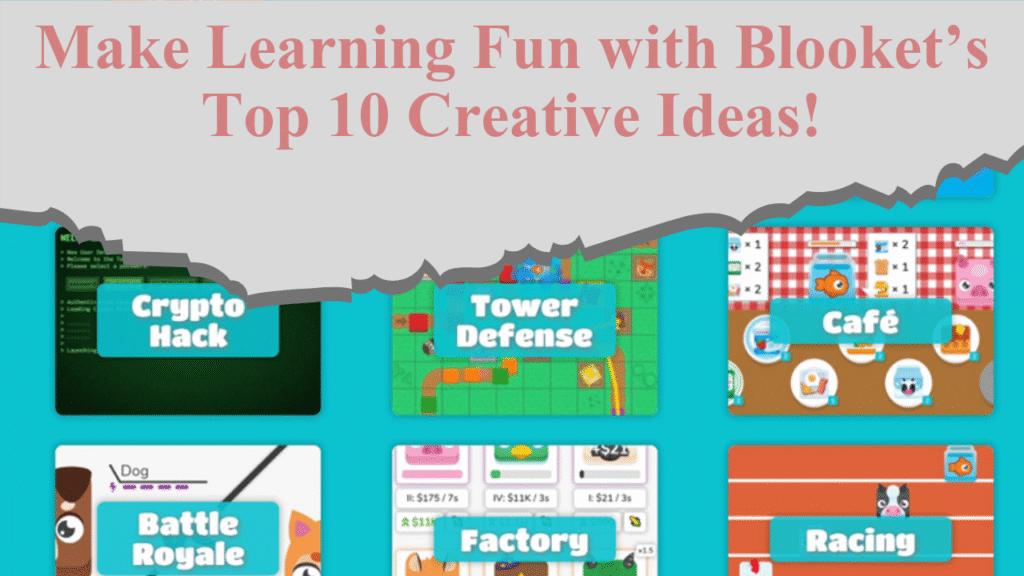
Choose game modes that align with your question set’s goals. For collaborative learning, use Tower Defense, where students answer questions to build defenses. For competitive learners, Battle Royale pits students against each other. Cafe Mode suits younger students, as they answer questions to serve virtual customers. Adjust time limits based on question complexity—shorter for quick reviews (10-15 questions) and longer for comprehensive sessions (25-35 questions). Use Blooket’s analytics to track performance and identify areas for review.
Practical Tips for Creation
When creating sets, follow Blooket’s guidelines: keep questions clear and concise, avoiding double negatives or ambiguity. Use the spreadsheet import feature for efficiency—create a CSV with columns for questions, answers, and correct responses. For example, a CSV for a history set might include: Question: “Who invented the telephone?” Answer 1: “Thomas Edison,” Answer 2: “Alexander Graham Bell,” Correct Answer: “Alexander Graham Bell.” Save sets as private to protect student data, especially for younger learners, and share via unique Game IDs for classroom use.
Leveraging Blooket’s Community and Tools
Blooket’s Discover page offers thousands of teacher-created sets, providing inspiration for your own. Search for specific topics like “solar system” or “Roman numerals” to find relevant sets, then adapt them to your needs. Tools like QuestionWell or Diffit can generate questions from texts or videos, saving time. For example, upload a YouTube video on the water cycle, and Diffit can create a question set like: “What is the process where water turns into vapor?” These tools ensure your sets are fresh and aligned with lesson plans.
Disclaimer: This article provides tips and ideas based on current information about Blooket from its official website, educational blogs, and teacher resources. Always verify real-time data or current events from reputable sources like Khan Academy, news outlets, or Blooket’s help center before incorporating them into question sets. Check Blooket’s terms of service to ensure compliance, especially for students under 13.
[qwam_quiz_box]