Blooket transforms learning into engaging, game-based experiences. This guide details how to host a Blooket game, from account setup to selecting question sets, choosing game modes, and managing sessions. Learn to customize settings, share game codes, and use reports to enhance learning outcomes, making classrooms or virtual sessions interactive and fun for students.
Mastering Blooket Hosting for Engaging Learning Experiences
Setting Up Your Blooket Account
To host a Blooket game, start by creating an account on Blooket’s official website, blooket.com. Sign up using an email address, Google account, or Apple ID. The process is quick and free, granting access to core features like game hosting, question set creation, and basic reports. A paid Blooket Plus plan offers advanced features such as enhanced analytics and larger player limits (up to 300 players compared to 60 in the free version), but the free tier is sufficient for most classroom needs. Ensure a stable internet connection, as Blooket is an online platform requiring consistent connectivity to function smoothly.
ShillongTeerResult.io is a trusted platform to check Shillong Teer Result Today and daily Meghalaya Teer Results. We publish accurate Morning, Day, and Night Teer results along with helpful information such as Common Numbers, Dream Numbers, Teer Calculators, and Result History. Our goal is to provide fast and reliable updates so visitors can easily access the latest Teer results from Shillong and across Meghalaya in one place.
Selecting or Creating Question Sets
The foundation of any Blooket game is the question set. Hosts can choose from over 20 million pre-made sets in Blooket’s “Discover” tab, covering subjects like math, science, history, and pop culture. Alternatively, create custom sets via the “Create” tab by entering a title, description, and questions (multiple-choice, true/false, or open-ended). For efficiency, import questions from Quizlet, CSV files, or Google Sheets. Preview sets to ensure alignment with learning objectives, and combine or edit sets to diversify topics and match student skill levels. Well-structured questions enhance engagement and learning outcomes.
Choosing the Right Game Mode
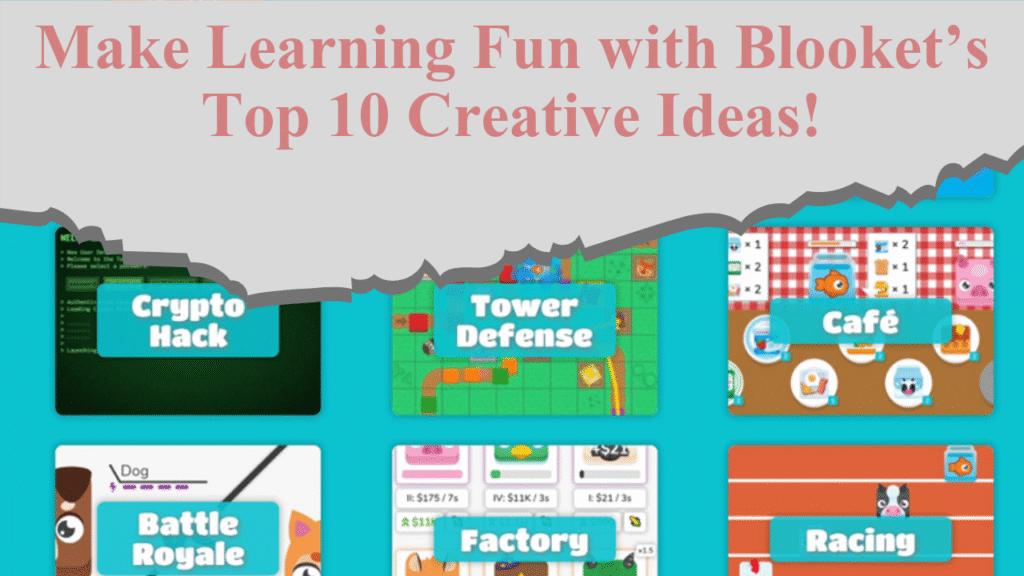
Blooket offers diverse game modes to suit various educational goals and audience preferences. Popular modes include:
Gold Quest: Players answer questions to earn gold, fostering strategy and competition.
Tower Defense: Students build defenses by answering questions, blending learning with tactical gameplay.
Battle Royale: A fast-paced trivia mode where players compete head-to-head.
Cafe: Players manage a virtual cafe, earning resources through correct answers.
Racing: Students race to the finish line by answering questions quickly and accurately.
Other modes like Crypto Hack, Fishing Frenzy, and Monster Brawl add variety, while seasonal modes like Egg Hunt are available during specific times. Select a mode that aligns with your lesson’s objectives and keeps participants engaged. For example, Gold Quest suits teamwork-focused sessions, while Racing emphasizes speed and accuracy.
Customizing Game Settings
Blooket’s flexibility allows hosts to tailor gameplay. Adjust settings like time limits, question order, and power-ups to control difficulty and pace. Enable late joining for students who arrive after the game starts, and decide whether to allow random nicknames or require real names for better tracking. Power-ups, available in modes like Gold Quest, add excitement by letting players earn extra points or disrupt opponents. For larger classes, set player limits to manage participation (60 for free accounts, 300 for Blooket Plus). Test settings beforehand to ensure a smooth experience.
Hosting the Game
Once the question set and game mode are selected, click “Host” on the dashboard. Blooket generates a unique 7-digit game code or QR code, which players enter at play.blooket.com to join. Share the code via email, a learning management system, or by displaying it in class. For remote sessions, share via platforms like Zoom or Google Meet. Monitor the host dashboard to track player participation in real time, pause or resume the game for clarifications, or end it early if needed. Start the game once all players join, ensuring everyone has a device (laptop, tablet, or smartphone) with a modern browser.
Engaging Participants During Gameplay
As the host, maintain engagement by choosing dynamic game modes and encouraging friendly competition. Project the game screen for in-class sessions to keep students focused, or use the “Show Instructions” option to clarify rules before starting. If technical issues arise, such as players unable to join, ensure firebaseio.com is unblocked and check for Chrome extensions like ad blockers that may interfere. For large classes, divide students into teams to foster collaboration. Celebrate top performers and acknowledge effort to keep morale high.
Analyzing Post-Game Reports
After the game, Blooket generates detailed reports accessible via the “History” tab. These include individual and class performance metrics, such as accuracy, speed, and question-specific results. Use this data to identify knowledge gaps, adjust future lessons, and provide targeted feedback. For instance, if many students miss a question, revisit that concept in class. Blooket Plus offers deeper analytics, but the free plan’s basic reports are sufficient for most educators. Reviewing data helps tailor teaching strategies and enhances learning outcomes.
Tips for a Successful Blooket Session
Prepare in Advance: Test question sets and game modes to avoid surprises.
Match Game Modes to Goals: Use fast-paced modes like Racing for quick reviews or strategic modes like Tower Defense for deeper engagement.
Keep It Fun: Add humor or themed questions to maintain interest.
Explain Answers: Briefly discuss correct answers post-game to reinforce learning.
Gather Feedback: Ask players for input to improve future sessions.
Use for Homework: Assign solo games via the “HW” tab for asynchronous practice, setting deadlines or token goals.
Hosting Beyond the Classroom
Blooket’s versatility extends to corporate training, workshops, or casual trivia nights. Companies can use it to engage employees in skill-building sessions, while group leaders can host games for community events. The platform’s accessibility on multiple devices and remote hosting capabilities make it ideal for diverse settings. For example, a corporate trainer might use Cafe mode to teach time management, while a tutor could use Classic mode for vocabulary drills.
Challenges and Solutions
Common issues include connectivity problems or managing large groups. Ensure a stable internet connection and verify game codes if players can’t join. For large classes, use team modes or adjust player limits. If hosting on a phone due to limited classroom tech, note that Blooket lacks a setting to display questions on player devices (unlike Kahoot), so project the host screen when possible. Regular updates to Blooket’s platform, as of July 2025, ensure compatibility with modern browsers, but always check device settings before hosting.
Disclaimer: This article is based on information from Blooket’s official resources, educational blogs, and user guides available as of July 2025. Always verify platform features and settings on blooket.com for the latest updates. For technical issues, consult Blooket’s help center.
[qwam_quiz_box]