Blooket revolutionizes classroom engagement by turning lessons into interactive, gamified experiences. This article explores how Blooket’s diverse game modes, customization options, and real-time feedback enhance student participation and learning. Discover practical tips for creating effective question sets, integrating multimedia, and using analytics to track progress, making lessons dynamic and fun for all learners.
Unleashing Blooket’s Potential in the Classroom
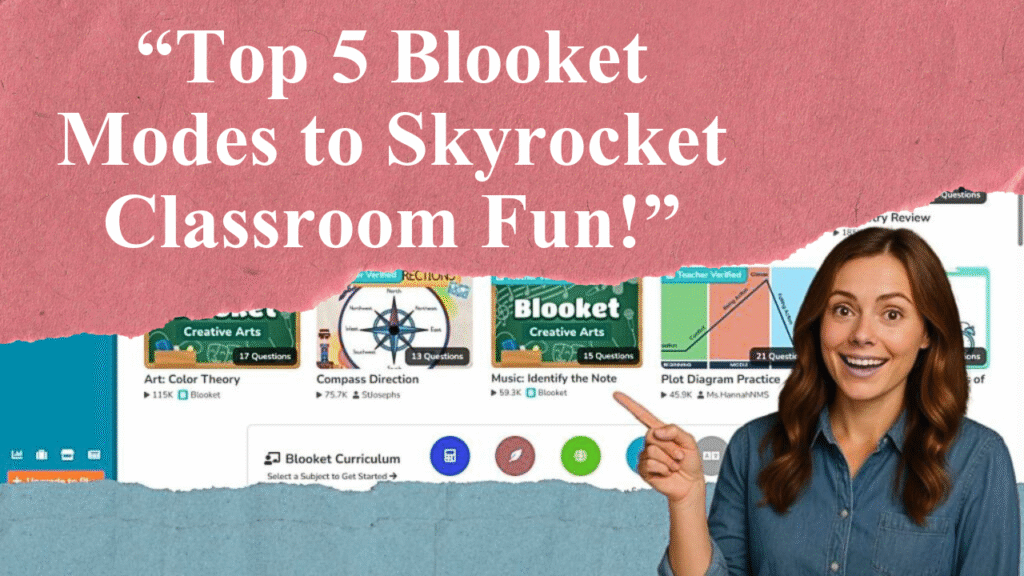
Blooket is a gamified learning platform that transforms traditional classroom activities into engaging, interactive experiences. Designed to make education both fun and effective, it combines quizzes with game-based mechanics, appealing to students across various grade levels. As of 2025, Blooket continues to gain traction, with millions of users globally, according to recent platform analytics shared on their official site. Its versatility allows teachers to create custom question sets or use pre-made ones from a vast library, covering subjects from math to literature.
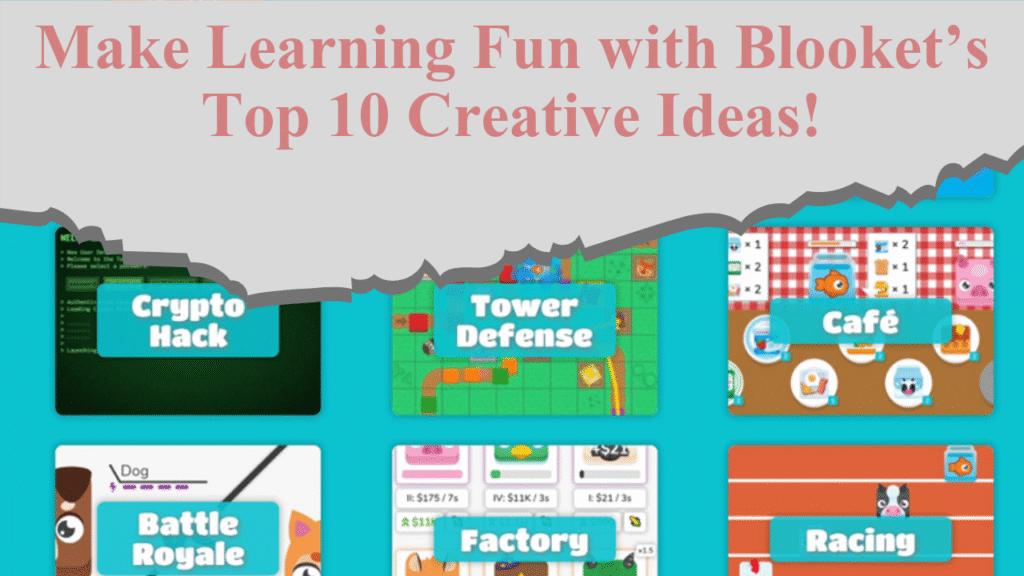
The platform offers multiple game modes, such as Tower Defense, Gold Quest, and Classic, each tailored to different learning objectives. For instance, Tower Defense encourages teamwork and strategic thinking, while Gold Quest adds a competitive edge with randomized point rewards. Teachers can host live sessions for real-time engagement or assign homework games for independent study, making Blooket adaptable for both in-person and remote learning environments. Its integration with tools like Quizlet and AI-powered platforms like Diffit streamlines content creation, allowing educators to generate question sets from texts or videos in seconds.
Customization is a cornerstone of Blooket’s appeal. Teachers can tailor games to align with lesson plans, incorporating multimedia elements like images or videos to enhance retention. For example, a history teacher might create a question set on the American Revolution, embedding primary source images to make the content more vivid. Blooket’s flashcard feature supports multisensory learning, reinforcing concepts through visual and auditory cues. Additionally, teachers can adjust game settings to de-emphasize speed, ensuring focus on accuracy for deeper understanding.
Real-time feedback is another powerful feature. Blooket provides instant analytics on student performance, highlighting correct and incorrect answers. This allows educators to identify knowledge gaps immediately and adjust lessons accordingly. For instance, if a game report shows most students struggled with a specific math concept, like fractions, the teacher can revisit it in the next session. The platform’s leaderboards and reward systems, such as earning coins to purchase avatars, foster healthy competition, motivating students to engage actively.
Blooket’s accessibility enhances its usability. As a web-based platform, it requires no installation and works on any internet-connected device, from laptops to smartphones. This flexibility ensures students in diverse settings can participate, though access to reliable internet and devices remains a challenge in underserved areas. Teachers can also create private games with password protection or use public sets for broader collaboration. For younger students, educators must guide them to skip account creation to comply with privacy laws, as Blooket’s terms restrict accounts for those under 13.
To maximize Blooket’s impact, teachers should set clear learning objectives before designing games. For example, using Blooket as an exit ticket can gauge daily comprehension, while unit-wide question sets prepare students for tests. Encouraging students to create their own question sets fosters ownership and critical thinking. A 2023 study from the Journal of Educational Technology noted that gamified platforms like Blooket increased student engagement by 30% compared to traditional methods, underscoring its effectiveness.
However, Blooket has limitations. Its reliance on multiple-choice questions can restrict deeper exploration of complex topics, and the competitive nature may stress some learners. Educators should balance gameplay with substantive learning to avoid prioritizing fun over comprehension. Combining Blooket with other teaching methods, such as discussions or hands-on activities, ensures a well-rounded approach. Recent posts on X highlight mixed experiences, with some teachers praising Blooket’s engagement but others noting it can feel isolating if overused without interaction.
For optimal use, start with small question sets to test student familiarity, then scale complexity. Tools like QuestionWell can generate tailored questions, saving time. Blooket’s free version supports up to 60 players, sufficient for most classrooms, though premium features offer advanced analytics. By thoughtfully integrating Blooket, educators can transform lessons into dynamic, memorable experiences that boost participation and retention.
Disclaimer: This article is based on information from Blooket’s official website, educational blogs, and recent trends on X as of July 2025. Tips provided are suggestions and may vary in effectiveness based on classroom context. Always verify privacy compliance for student use.
[qwam_quiz_box]