“Blooket transforms learning into an engaging, game-based experience. This article explores strategies to excel at Blooket, from joining games and choosing optimal modes to creating custom question sets and leveraging analytics for improvement. Discover expert tips to maximize engagement, compete effectively, and enhance educational outcomes for students and teachers alike.”
Mastering Blooket: Tips and Strategies for Success
Joining a Blooket Game with Ease
To start playing Blooket like a pro, you need to know how to join a game seamlessly. Visit play.blooket.com and enter the 7-digit game code provided by your teacher or host. Alternatively, scan the QR code or click a shared link. No account is required for students, but creating one allows you to track progress and collect Blooks (cute avatars). Use a reliable internet connection to avoid disruptions, and choose a creative nickname to stand out in competitive modes. For mobile users, the Blooket app (available on iOS and Android) offers a smoother experience, especially for live games.
Choosing the Right Game Mode
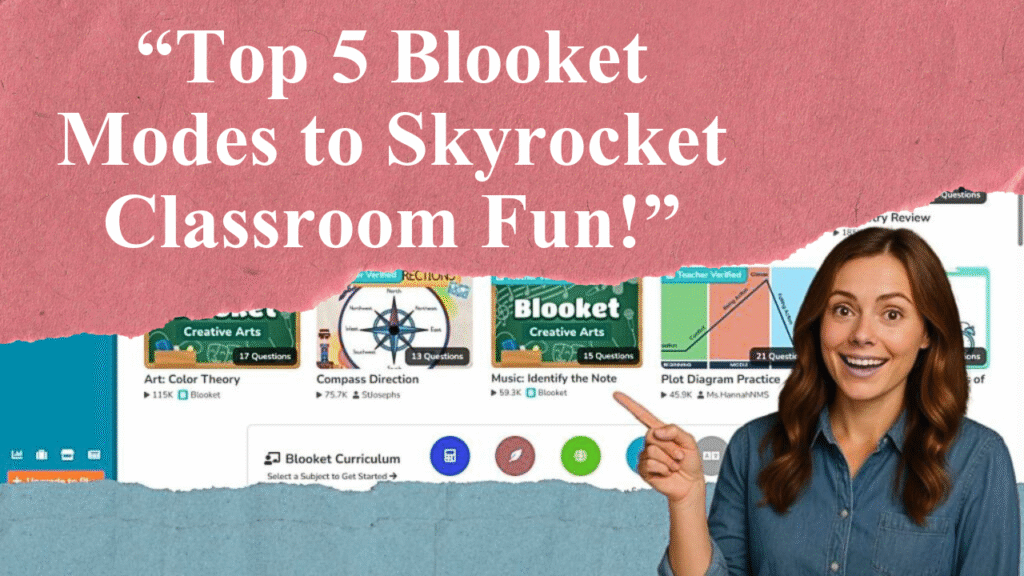
Blooket offers 15 unique game modes, each with distinct mechanics to suit different learning styles. For competitive players, modes like Gold Quest or Battle Royale emphasize speed and strategy, rewarding quick, correct answers with points or in-game currency. Tower Defense and Factory are ideal for solo players, focusing on strategic progression rather than speed, making them great for students with slower processing speeds. Team-based modes like Blook Rush foster collaboration, where players can defend or attack to steal Blooks. Experiment with modes to find one that matches your pace and preferences. For teachers, select modes based on class dynamics—use Classic for a Kahoot-like experience or Crypto Hack for a tech-themed challenge.
Creating and Customizing Question Sets
Teachers can elevate their Blooket game by creating tailored question sets. Start by signing up at blooket.com and clicking “Create” to build a set from scratch. Add a descriptive title like “Algebra Basics” or “World History Trivia” and include a cover image to make it visually appealing. Questions can be multiple-choice, with up to four answer options, and you can upload images to enhance clarity (e.g., math symbols or historical figures). Import sets from Quizlet or spreadsheets for efficiency, or browse thousands of pre-made sets in the “Discover” section. Customize privacy settings to make sets public or private, and use AI tools like QuestionWell to generate questions from any text or video.
Maximizing Engagement in Live Games
Live games create a dynamic, competitive atmosphere. As a student, focus on accuracy over speed in modes like Tower of Doom, where correct answers build resources. In team modes, communicate strategies with peers to optimize performance. Teachers can boost engagement by setting time limits (e.g., 5–10 minutes for quick reviews) and enabling features like late joining or random names for fairness. Display the game on a classroom screen to show leaderboards, fostering excitement. To avoid distractions, mute background music if needed. Regularly check the “News” section for updates on new modes or seasonal themes, like the Pirate Pack introduced in Blooket Season 5.
Leveraging Homework Mode for Practice
Blooket’s homework mode allows students to practice at their own pace. Teachers assign sets with deadlines, and students access them via a code or link. This mode is perfect for reinforcing concepts outside class, such as vocabulary or math facts. Track your progress via the dashboard, which shows stats like correct answers and time spent. For teachers, analytics provide insights into which questions students struggle with, allowing targeted follow-up instruction. Encourage students to retry sets to improve scores, as homework mode often allows multiple attempts until the deadline.
Using Analytics to Improve Performance
Blooket’s analytics (enhanced in the premium Blooket Plus version) offer detailed feedback. Teachers can view which questions were missed most often, identifying knowledge gaps. Students can check their stats to focus on weak areas. For example, if data shows low accuracy in fractions, dedicate practice to those sets. The premium version ($40/year) provides in-depth reports and early access to new modes, but the free version still offers robust tracking. Use this data to refine question sets or adjust teaching strategies, ensuring continuous improvement.
Pro Tips for Competitive Edge
To dominate Blooket, practice regularly to familiarize yourself with game mechanics. In Racing mode, prioritize quick, accurate answers to advance your avatar. In Factory, strategically invest coins in upgrades to maximize earnings. For teachers, incentivize participation with rewards like custom keychains or class points to boost motivation. Students can mark favorite sets for quick access and revisit past games via the “History” button to track progress. Stay updated via Blooket’s YouTube channel for tutorials and new features.
Overcoming Common Challenges
Technical issues, like login problems or lag, can disrupt gameplay. Ensure a stable internet connection and use modern browsers like Chrome or Safari. If Google login fails, try email signup. For teachers, test sets beforehand to avoid errors during live sessions. Be cautious of over-competitiveness, as some modes may frustrate slower learners. Opt for chance-based modes like Gold Quest to level the playing field, ensuring all students feel confident.
Disclaimer: This article is based on information from educational websites, user reviews, and official Blooket resources as of July 28, 2025. Always verify game settings and features on blooket.com for the latest updates. Tips are derived from community feedback and may vary by classroom context. Consult Blooket’s privacy policy for data usage details.
[qwam_quiz_box]