In 2026, Blooket remains a top choice for educators seeking engaging ways to keep students productive during downtime. Solo modes transform extra class time into focused skill-building sessions, allowing early finishers to independently review concepts without needing teacher supervision or group participation. The most effective practice-oriented solo modes emphasize self-paced questioning, progressive difficulty, and replay value, ensuring meaningful learning rather than idle time. Key recommendations include Study for straightforward review, Tower Defense 2 for strategic reinforcement, Café for relaxed repetition, and Zorblitz for quick, adaptive challenges—each tailored to different learning styles and subjects while rewarding progress with tokens and XP.
Detailed Strategies for Maximizing Solo Blooket in 2026
Blooket has evolved significantly by 2026, boasting over 25 game modes, many accessible in solo format for individual play. This expansion supports flexible use in classrooms, where teachers often face the challenge of differentiated instruction. Early finishers—students who complete assignments ahead of schedule—benefit immensely from solo options that prevent boredom and reinforce recently taught material or build foundational skills.
Solo play requires no host code or live lobby; students simply select a question set from the library (or one assigned by the teacher), click “Play Solo,” and choose from available modes. These modes run self-paced, with questions appearing based on user performance, and many include progression systems that encourage repeated attempts for mastery.
Top Recommended Solo Practice Modes
Here are the standout solo modes optimized for early finishers and skill review in the current year:
Study This mode stands out as the purest practice tool in Blooket’s arsenal. It presents questions in a clean, flashcard-like interface with no distractions from power-ups, enemies, or timers. Correct answers earn points that convert directly to tokens and XP, while incorrect ones prompt immediate review of the material. Ideal for targeted skill review, such as vocabulary retention, math facts, or historical dates. Teachers can assign question sets as homework with a question goal, but in solo, students continue indefinitely for extra practice. Its simplicity makes it perfect for quick sessions during transitions or as a bell-ringer extension.
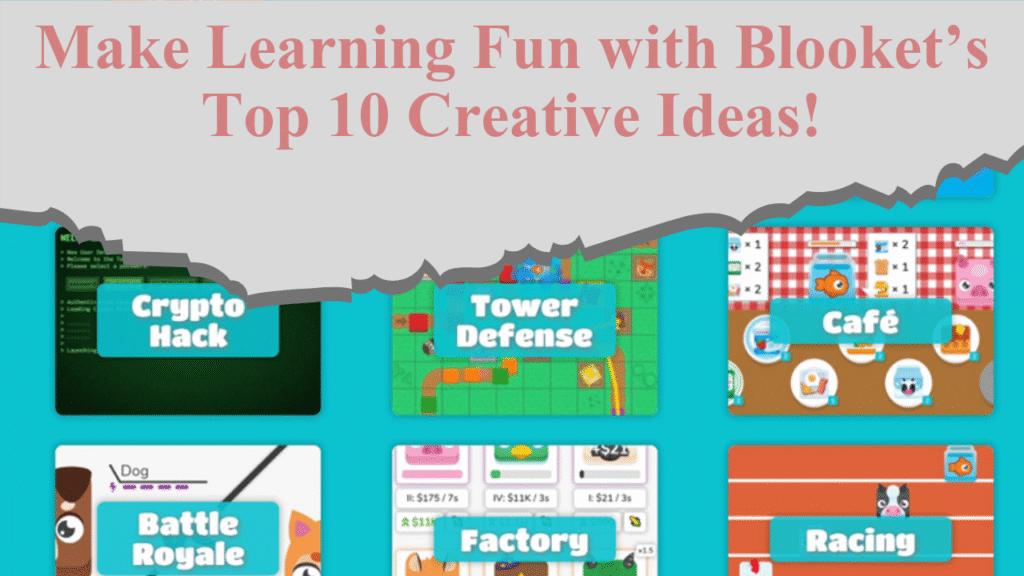
Tower Defense 2 Building on the classic Tower Defense formula, this mode adds enhanced mechanics like improved tower upgrades and wave variety. Players answer questions to earn resources, then strategically place defenses to survive enemy waves. The strategic element reinforces critical thinking alongside content knowledge—students must prioritize upgrades based on question performance. It suits early finishers who enjoy longer, immersive sessions, as games can last 10-20 minutes with increasing difficulty. Great for subjects requiring application, like science concepts or grammar rules, where sustained focus yields better defense outcomes.
Café In this relaxed simulation, players serve customers by correctly answering questions to prepare orders. The mode features a cozy café setting with visual feedback on service speed and accuracy. Its low-pressure pace makes it excellent for repeated exposure to the same set without fatigue. Early finishers can cycle through questions multiple times, building fluency in multiplication tables, foreign language phrases, or state capitals. Recent updates have improved solo flexibility, allowing unlimited play without rigid time limits.
Zorblitz A fast-paced, adaptive challenge where questions appear in rapid succession, with difficulty scaling based on performance streaks. It emphasizes speed and accuracy under mild pressure. Perfect for skill drills needing quick recall, such as spelling, sight words, or basic equations. The mode’s self-adjusting nature ensures it remains challenging yet achievable, motivating students to beat personal bests during spare minutes.
Plushie Panic Players collect and manage plushies by answering questions correctly to avoid “panic” scenarios. It combines collection mechanics with review, offering a fun twist on repetition. Suited for creative subjects or when variety prevents monotony. The progression through levels encourages mastery of tougher questions.
Monster Brawl This mode involves battling monsters through question-based upgrades and attacks. It provides strategic depth similar to Tower Defense but with a combat focus. Excellent for review in competitive-minded students, turning skill practice into an epic narrative experience.
Comparison Table of Top Solo Practice Modes
Implementation Tips for Teachers in 2026
| Mode | Best For | Pace | Difficulty Scaling | Replay Value | Tokens/XP Focus | Ideal Subjects |
|---|---|---|---|---|---|---|
| Study | Pure content mastery | Slow/Self-paced | None (focus on accuracy) | High | Direct from points | Vocabulary, facts, basics |
| Tower Defense 2 | Strategic application | Medium-Long | Wave-based progression | Very High | Resource-based | Science, math application |
| Café | Relaxed repetition | Relaxed | Customer waves | High | Service accuracy | Language, history timelines |
| Zorblitz | Speed & quick recall | Fast | Adaptive streaks | Medium-High | Streak bonuses | Spelling, mental math |
| Plushie Panic | Fun collection/review | Medium | Panic thresholds | High | Collection goals | Creative subjects, mixed review |
| Monster Brawl | Combat-style strategy | Medium | Battle upgrades | High | Victory rewards | Problem-solving, concepts |
Pre-assign question sets via homework for seamless solo access, allowing students to jump in without setup.
Use Blooket’s reports to track solo progress—monitor completion rates, accuracy trends, and common misconceptions for follow-up instruction.
Encourage token earning for Blook collection, which adds motivation without competitive pressure.
For early finishers, direct them to “Play Solo” on relevant sets after tasks, turning downtime into personalized learning paths.
Mix modes weekly to maintain engagement—alternate between focused (Study) and immersive (Tower Defense 2) options.
Leverage updated accessibility features like read-aloud and high-contrast modes for inclusive practice.
These solo modes ensure that no student time goes wasted, fostering independent learning habits while aligning with modern classroom needs for differentiation and engagement.
Disclaimer: This article provides educational insights, tips, and recommendations based on current platform features for classroom use.