“Blooket bots, automated tools that flood Blooket games with fake players, disrupt educational gameplay by manipulating outcomes and creating unfair advantages. This article explores their functionality, ethical concerns, risks like account bans and malware, and preventive measures. Learn how bots affect learning, why students use them, and how to maintain a fair, engaging Blooket experience.”
Exploring Blooket Bots: Functionality, Ethics, and Solutions
Blooket, a gamified learning platform, has transformed education by making quizzes interactive and engaging. Teachers create question sets, and students compete in real-time, earning coins and unlocking avatars called “Blooks.” However, the rise of Blooket bots—automated tools that infiltrate games with fake players—has sparked controversy. These bots, often called Blooket Flooders, Blooket Spammers, or Blooket Ninjas, disrupt the platform’s educational purpose. This article delves into how these bots work, their impact, and strategies to mitigate their effects, using insights from recent online discussions and platform updates as of July 2025.
Juwai Teer Result(Juwai.in) is an informational website that provides the latest updates on Juwai Teer results, previous results, and related Teer information. Our goal is to help visitors quickly check daily FR and SR Teer results along with useful guides and tools. We are not associated with any official Teer organization, and all information is shared for informational purposes only.
Blooket bots are scripts or tools that join games using a game’s unique pin, creating multiple fake players with randomized or customizable names. They can answer questions automatically, collect points, or flood sessions to overwhelm opponents or crash games. For instance, tools like those hosted on GitHub or websites like blooketbot.com allow users to input a game ID, specify bot names, and choose the number of bots to deploy. These bots simulate real players, evading detection by using multiple virtual connections, even from a single IP address. A popular method involves pasting JavaScript code into a browser’s developer console (accessed via F12 or Ctrl+Shift+J) to execute commands that manipulate gameplay, such as auto-answering questions or unlocking all Blooks.
The appeal of bots lies in their ability to provide quick wins. Students use them to earn coins rapidly, unlock rare avatars, or prank classmates by flooding games. Online communities, including YouTube tutorials and forums, fuel their popularity by sharing scripts and glorifying their use as “hacks.” However, this trend undermines Blooket’s core mission of fostering learning through fun. Bots remove the educational value by automating answers, reducing student engagement with the material. In classrooms, where Blooket is widely used in the US and Canada, bots disrupt lessons, frustrate teachers, and skew performance data, making it harder to identify knowledge gaps.
Ethically, using bots is problematic. Blooket’s terms of service explicitly prohibit unauthorized tools, and violators risk account bans or restrictions. Schools may impose disciplinary actions, such as device bans, if students are caught. Beyond ethics, bots pose security risks. Many bot generators, available on sites like blooketbot.me, require downloads or login credentials, potentially exposing users to malware, viruses, or account theft. For example, fake websites mimicking Blooket’s interface can steal passwords, compromising personal data. In 2025, Blooket’s developers have strengthened security, implementing machine learning to detect bot patterns and updating APIs to block scripts, but new bots continue to emerge, creating an ongoing challenge.
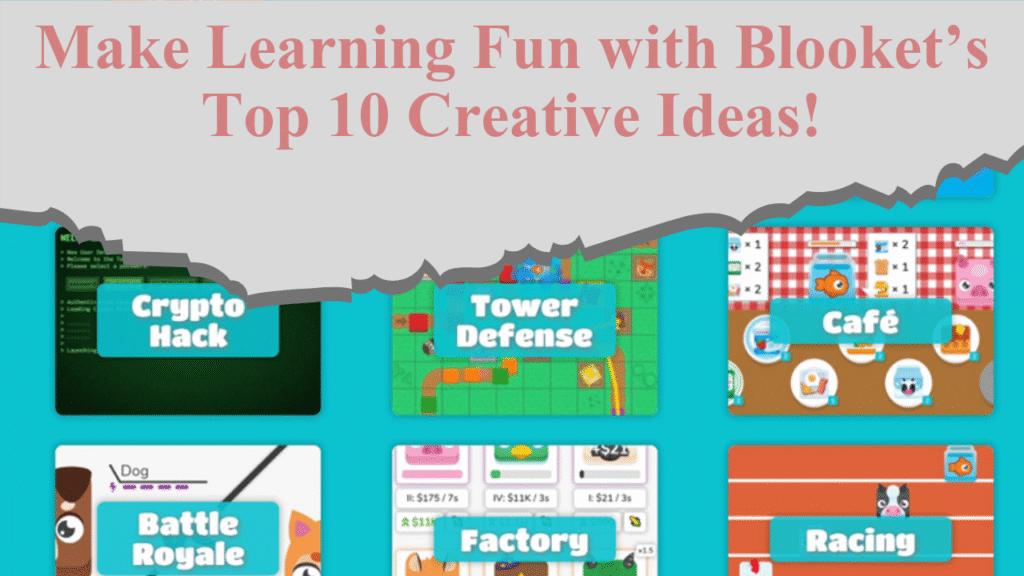
The impact on the Blooket community is significant. Bots disrupt fair play, eroding trust among players and educators. In modes like Gold Quest or Tower Defense, where strategy and knowledge are key, bots give users an unfair edge, demotivating genuine players. Flooding games with bots can also crash sessions, wasting class time and frustrating students who rely on Blooket for review. Teachers report mixed experiences on platforms like Reddit, with some noting that bots make games chaotic, while others argue that Blooket’s engaging format still outweighs these disruptions when managed properly.
Preventing bot usage requires a multi-faceted approach. Teachers can use CAPTCHAs, restrict game access to verified users, or monitor participant lists for suspicious names. Blooket’s developers encourage reporting bot activity to their support team, which investigates and patches vulnerabilities. Educators can also promote ethical gameplay by emphasizing the value of learning over winning. For students curious about bots, redirecting their interest toward coding platforms like Scratch or Tynker can turn mischief into productive skills. These sites teach programming basics, allowing students to create their own games legally and safely.
Ultimately, Blooket bots highlight the tension between technology’s benefits and its misuse. While they offer short-term gains, they undermine the platform’s goal of making learning enjoyable and equitable. By staying informed and proactive, educators and students can preserve Blooket’s value as a tool for interactive education.
Disclaimer: This article is based on information from web sources, user reports, and online discussions as of July 2025. It is intended for informational purposes and does not endorse or promote the use of Blooket bots. Always verify information with official sources like Blooket’s website (www.blooket.com) (www.blooket.com) and adhere to platform policies to ensure a safe and fair gaming experience.
[qwam_quiz_box]